
Andy Warhol
Biography
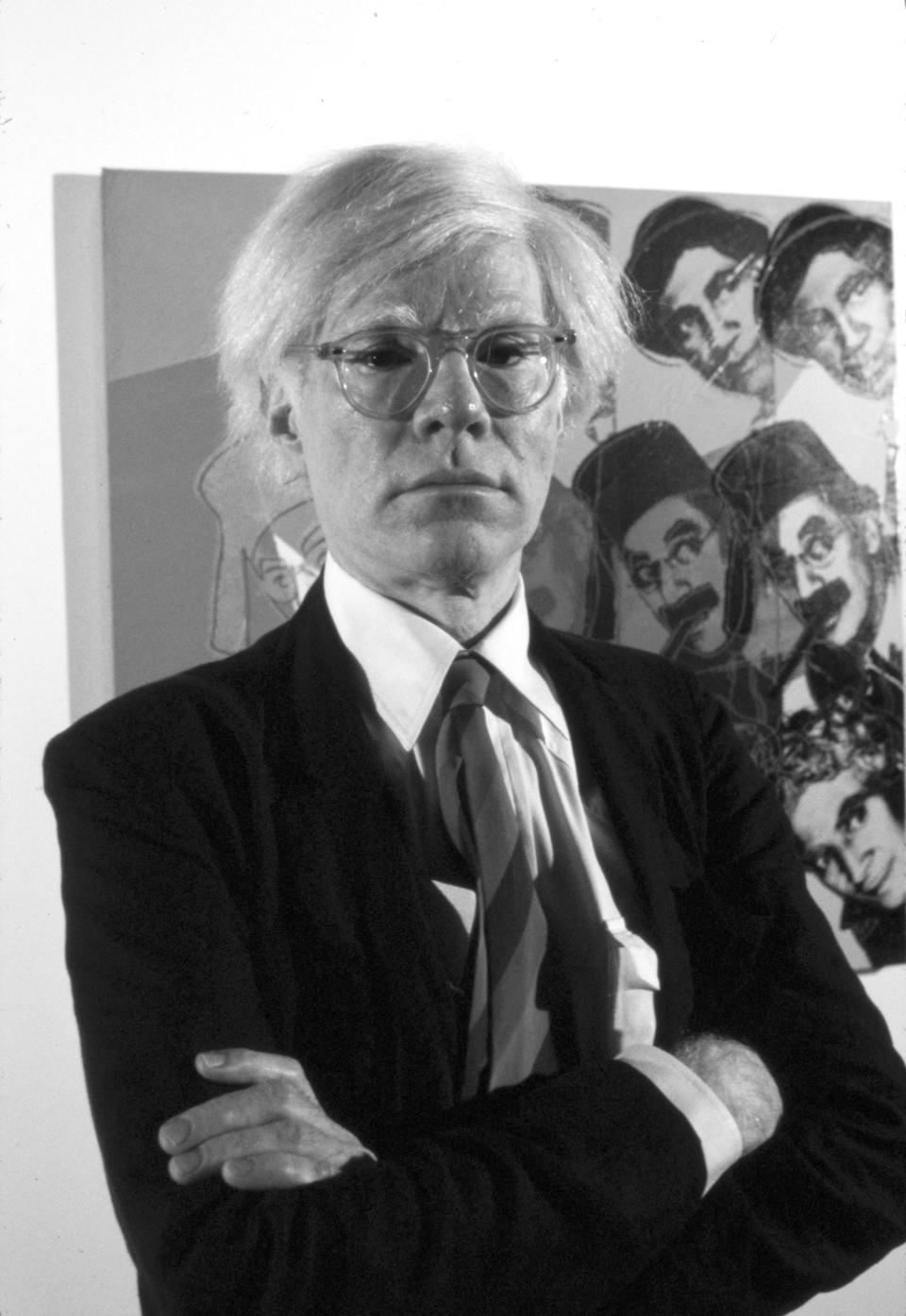
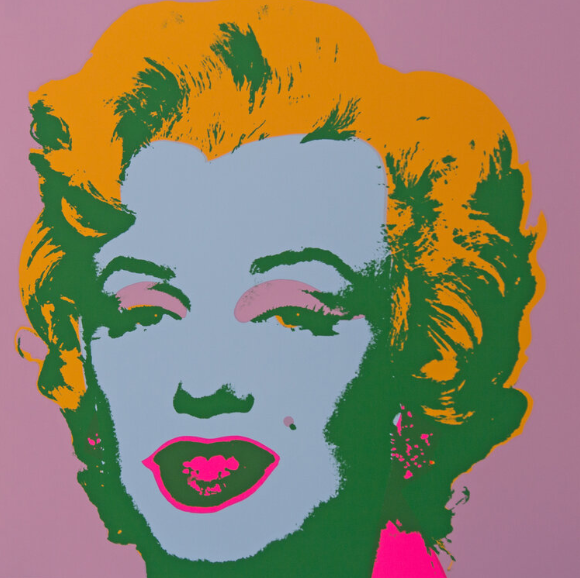
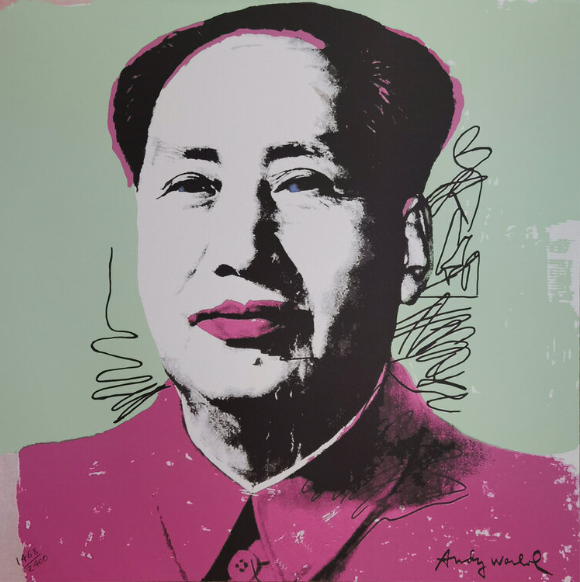
In the early 1960s, Warhol emerged as one of the key figures of Pop Art by incorporating images from advertising, the media and mass culture into his work. His Campbell’s Soup Cans, created in 1962, became emblematic of this approach. At the same time, he developed his iconic portraits of celebrities such as Marilyn Monroe, Elvis Presley and Elizabeth Taylor, exploring fame, repetition and the power of contemporary imagery.
Screen printing became central to his practice. By repeating the same image through different colours, variations and series, Andy Warhol challenged traditional ideas of originality and uniqueness in art. His work deliberately blurred the boundaries between art, consumer culture, advertising and popular imagery, transforming everyday objects and famous faces into instantly recognisable visual icons.
Warhol’s practice extended far beyond painting and printmaking. Through The Factory, his legendary New York studio, he also worked extensively with photography, film, video, publishing and music. During his career, he collaborated with many major figures from the artistic and cultural scene, including Jean-Michel Basquiat and Keith Haring in the 1980s.
Through his use of repetition, colour and media imagery, Andy Warhol profoundly transformed the history of contemporary art. His works remain central to major public and private collections worldwide and continue to define the visual language of Pop Art and contemporary culture.
Selected works
Store
Acquire a work
For any enquiry about works by Andy Warhol, please contact the gallery. Our advisors will guide you through selection, acquisition and tax exemption.